

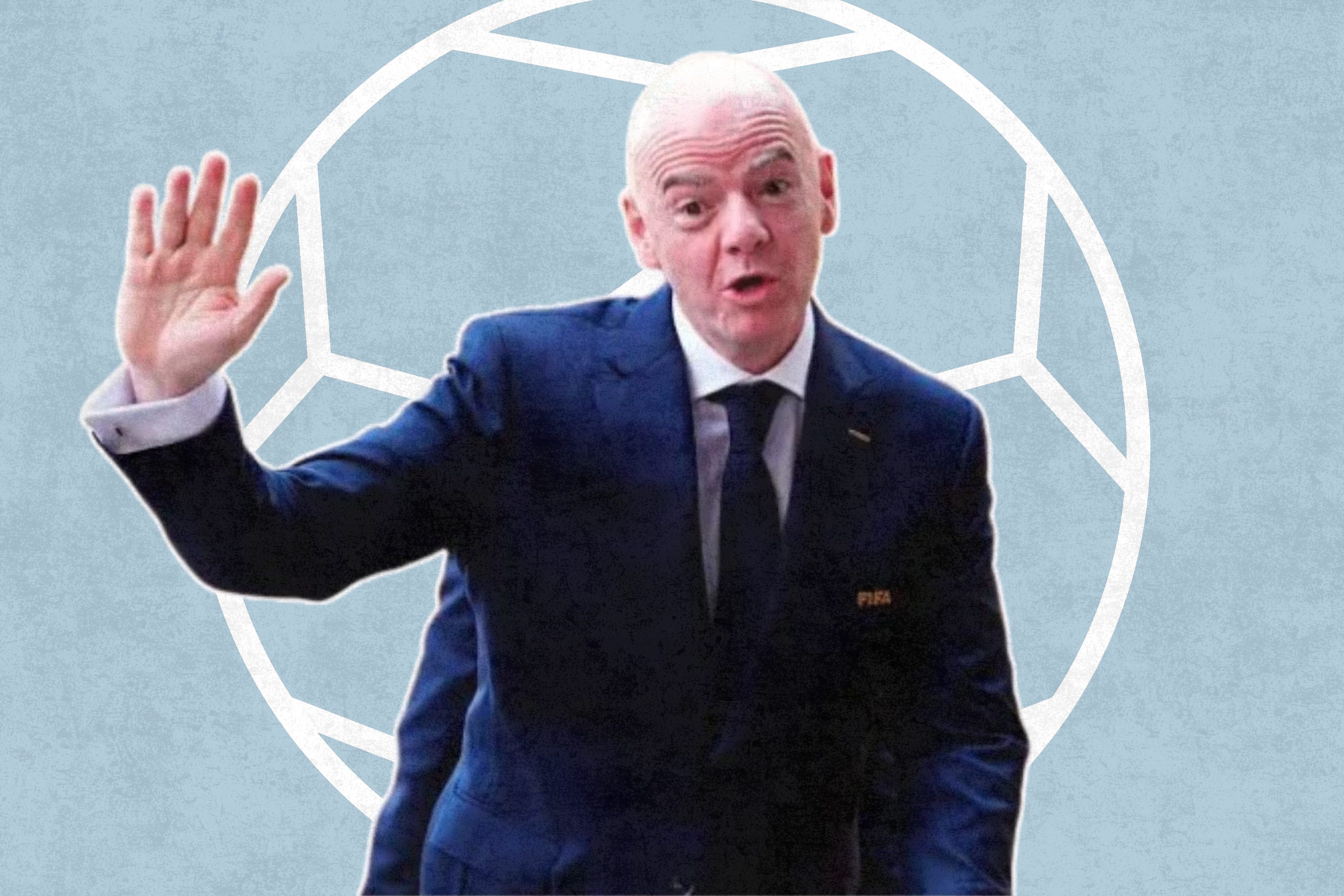
This morning, the two contenders to Gianni Infantino’s FIFA thrown have been confirmed, ahead of a ballot in March of next year.
In one corner, representing UEFA, will be President of the French Football Federation, Philippe Dallo. The European federation have been Infantino’s most vocal critic in the run up to this, helping to force a U-turn on his privatisation plans for the World Cup earlier this year. UEFA have unanimously decided to back the Frenchman, ahead of former Tottenham and Celtic defender Roman Vega, acnd despite reports that he was considering a late run having distanced himself from Infantino’s FIFA, Arsene Wenger does not make up the final shortlist for the elections.
In the other corner is Japanese FA’s Honorary President Kozo Tashima. His bid challenges Infantino’s throne in what is a slight separation from the wider Asian federation he’ll be representing, who have largely remained steadfast in their support for Infantino, especially from some of its more wealthier members.
And, of course, we have Infantino vying to retain his seat at the top of world football. His position looked untenable after an investigation into efforts to privatise the World Cup emerged following the 2026 edition in the United States, Mexico and Canada. He wanted to create a commercial subsidiary to run its main events, including the World Cup, with external investors able to buy stakes in it. It said it would “invite third parties to make minority, non-controlling investments” in a new subsidiary - Fifa Forward Enterprise (FFE).
The backlash was immediate and overwhelming, resulting in the resigning of Carlos Cordeiro - Infantino's senior adviser on global strategy and governance - while Infantino dangled lucrative offerings to FIFA member associations if they opted to back his proposal, including a cash sum of $40million.
The dust eventually settled somewhat on the furore, as FIFA, short some of his most dependable staffers, eventually rallied behind Infantino following a summit in Rabat, and they then went on the offensive against UEFA. Several powerful federations have backed the Swiss honcho, including the Conderation of African Football, and the Qatari and Saudi federations.
But for Infantino, this is simply a numbers game. He requires 106 votes to retain his position as FIFA president out of 211 association members. Beyond the public backing from Africa and parts of Asia, Mexico are also in his camp, while the nature of the private ballot will allow smaller federations across the world vote in his favour as well, especially those who have benefitted from his efforts to expand the size of World Cup participation, and the volume of youth tournaments.
For Dallo and Tashima, it will be a monumental challenge, and reports indicate they might even have to join forces to force an overhaul of Infantino. The early signs for those hoping for change aren’t great, as the Frenchman was a late addition to the ballot this week, before he had even sought permission from the French FA, while it’s uncertain how much support Tashima has from his own federation.
Meanwhile, Infantino’s iron grip on football is likely to continue four years beyond March’s elections, barring the emergence of a smoking gun that the FFE turned out not to be. His message has always been that he wants to grow the game, a policy that has brought World Cups to Qatar, in 2022, and will deliver one to Saudi Arabia in 2034. His sidling with the likes of Donald Trump and other world leaders has left a sour aftertaste for any well-meaning football fan, as he cow-towed to the US-president in what became an utterly embarrassing and contemptible show of public obeisance, where his FIFA Peace Prize in late 2025 will ultimately be how Infantino is remembered, if not his bungling of the Club World Cup trophy presentation to Chelsea, as Trump stood on refusing to leave the shot.
On the football end, his expansion of the World Cup to 48 teams has given rise to a behemoth tournament that went off without many of the glitches I and others had feared in the tumultuous run-up. That was, in what retrospectively feels like an inevitable point of interjection, Trump petitioned Infantino to reverse a red card to US striker Folarin Balogun in the Round of 32, which he so obliged.
For the the wider health of football, beyond the hefty coffers being banded about and the progressive bloating of tournaments, fixtures and sponsorship, it’s hard to truly feel like football is in the the best hands, nor that Infantino has the interests of football in his heat. His next task, should he retain presidency, will be to begin laying the groundwork for a possible 64-team World Cup, plus the hosting of the 2038 edition, something the US have already reportedly suggested interest in hosting in a solo effort.
One would have to wonder what exactly he has promised member states and wider continental federations should he be awarded another four years in charge.
With Infantino likely to keep moulding the future of football in his vision, you’d also ponder what else he has up his sleeve in term of wielding the vast power he’ll come out the other side with, and determining the landscape of football well into the 2030s.
This guy’s gotta go…